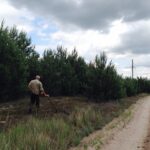

Solar farms are designed to soak up every possible ray of sunlight, converting it into clean energy. But when weeds, tall grasses, and shrubs creep in, they do more than just make the site look unkempt—they interfere with performance.
Overgrown vegetation blocks sunlight, attracts pests and creates fire hazards, all of which can cut into energy production and drive up solar farm maintenance costs. Keeping vegetation under control isn’t just routine maintenance—it’s the key to keeping a solar farm running at full potential.
Here’s how vegetation management helps solar farms in Texas boost efficiency, ensure compliance, and minimize risk.
How Overgrown Vegetation Cuts Into Energy Production
Solar panels need full exposure to the sun, but even a small patch of shade can throw off their efficiency. When plants grow too close, they block sunlight and disrupt the electrical output. Because solar arrays are wired in series or parallel circuits, shading on just one panel can reduce the performance of an entire section. This means energy losses that add up quickly, especially in larger installations.
Beyond shading, dense vegetation can also limit airflow around panels. Excess heat buildup reduces their efficiency, making them work harder than necessary. By keeping the area around panels clear, solar farms maintain stable operating temperatures and maximize output.
The Risk of Fire and Electrical Damage
Dry, overgrown weeds turn into fuel during hot months, increasing the risk of fires that can damage equipment or spread to nearby land. Electrical components, such as inverters and wiring, are also vulnerable when vegetation is left unchecked. Tall grasses can obstruct access points, making it harder for solar farm maintenance teams to inspect and repair equipment.
Rodents and insects are another concern. Overgrown plants provide shelter for pests that chew on wiring and nest inside electrical enclosures. Routine vegetation management keeps unwanted critters away and prevents costly damage.
Meeting Compliance Standards and Protecting the Environment
Many regions have strict guidelines for vegetation control around solar farms. Local regulations may require specific clearances between panels and surrounding plant life to reduce fire risks and maintain accessibility. Failing to comply can lead to fines or even temporary shutdowns.
At the same time, solar farms in Texas need to balance vegetation management with environmental responsibility. Harsh chemical treatments and excessive mowing can disrupt local ecosystems. A strategic approach—such as targeted herbicide applications and managed ground cover—helps maintain efficiency while promoting soil health and biodiversity.
Best Practices for Solar Farm Vegetation Management in Texas
Here are some best practices that can save you tons of money in solar farm maintenance.
- Regular Monitoring: Routine inspections help identify problem areas before they become a threat to performance.
- Selective Herbicide Use: Targeted applications prevent aggressive weed growth without harming beneficial plants.
- Mechanical Clearing: Mowing and trimming keep vegetation at a manageable height without damaging panels or wiring.
- Integrated Solutions: Combining chemical, mechanical, and natural controls (like grazing animals) creates a sustainable, long-term strategy.
Neglecting vegetation management leads to energy loss, equipment damage, and increased solar farm maintenance costs in Texas. A proactive approach ensures facilities stay productive and profitable.
Need Vegetation Management for Your Solar Farm in Texas?
Maximize solar farm efficiency with our expert solar farm vegetation management from A&G Weed Control. Our strategic solutions keep panels clear, reduce fire risks, and help you stay compliant. Contact us today to get started.