
In Texas, what starts as a few weeds around a gravel pad can quickly transform into a dense thicket of dry fuel. For facility managers and landowners, overgrown brush isn’t just an eyesore. It is a significant safety hazard that can lead to catastrophic fire damage or mechanical failure.
Understanding when a situation has escalated from routine maintenance to an emergency is vital for protecting your assets and your personnel.
Recognizing the Warning Signs of Hazardous Overgrowth
Not all overgrowth requires an emergency response, but certain red flags indicate high risk. If you notice tall, yellowed grass leaning against electrical transformers or dry brush tangled in rotating machinery, you have a problem.
Texas weather often creates flash drought conditions. This turns lush green plants into brittle tinder in a matter of days. If your site has thick vegetation blocking access to emergency shut-off valves or obscuring safety signage, you need immediate vegetation clearance.
Why Texas Sites Face High Fire Risks
Texas is notorious for high winds and low humidity. On an industrial site, a single spark from a mower blade hitting a rock or an overheated bearing can ignite dry weeds. Once a fire starts in dense brush, it moves faster than most crews can react.
Industrial vegetation management is the first line of defense. By removing the fuel source before a spark occurs, you create a defensible space that can save millions of dollars in infrastructure.
How Overgrowth Damages Equipment and Operations
Vegetation doesn’t just burn; it actively destroys machinery. Vines wrap around axles, moisture trapped in tall grass accelerates rust, and seeds clog expensive air filtration systems.
When plants interfere with your equipment, you face:
- Unplanned downtime and lost productivity.
- Increased repair costs for engines and cooling systems.
- Safety hazards for technicians trying to access the gear.
- Legal liabilities and insurance compliance issues.
Industries Most at Risk
While any property owner should be vigilant, certain sectors face higher stakes:
- Oil & Gas: Well sites and tank farms contain highly flammable materials.
- Utilities: Substations and power lines are frequent targets for lightning and equipment sparks.
- Agriculture: Large barns and silos can be lost in minutes if tall grass surrounds the structures.
Emergency vs. Scheduled Clearing
Scheduled clearing is a proactive strategy to keep growth under control year-round. Emergency response is triggered when the risk is imminent. If a storm has downed trees across an access road or a sudden heatwave has turned your perimeter into a fire trap, you cannot wait for the next quarterly visit. Vegetation control companies with rapid-response capabilities are essential in these moments.
Immediate Steps to Take
If you identify a hazardous situation, take these steps immediately:
- Restrict Access: Keep vehicles and hot work away from high-growth areas.
- Clear Debris: Manually move loose, dry wood away from critical infrastructure if safe.
- Monitor Weather: Watch for “Red Flag” warnings or high-wind alerts.
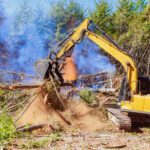
- Call the Experts: Contact a professional crew with the right equipment to mulch the hazard safely.
Contact A&G Weed Control for Vegetation Removal Today
Do not wait for a spark to realize your site is at risk. Whether you need an urgent clearing to mitigate fire risk or a long-term management plan, A&G Weed Control has the expertise to protect your Texas property.
Contact us today at (361) 920-0732 to secure your site and prevent equipment damage.